Season of Peace: A Designer's Review
When I first opened the file for Season of Peace, I didn't just see a cute squirrel; I saw a complete mood. As someone who has spent years evaluating embroidery designs for everything from boutique apparel to personalized gifts, I look past the initial cuteness to ask the hard questions: Does this stitch well? Will it hold up on a tote bag after fifty washes? Does it elevate a product enough to justify a premium price tag? The answer, in this case, is a qualified yes, provided you understand how to handle its rustic charm.
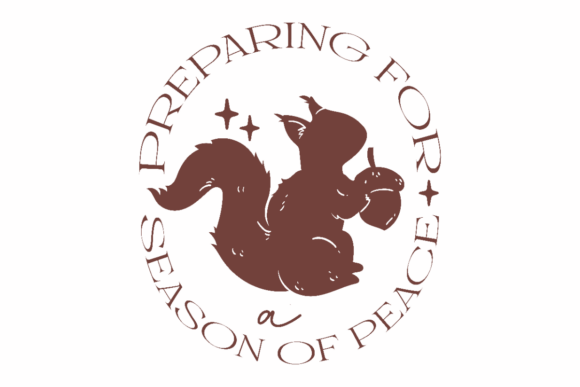
This design falls squarely into the Crafts and Graphics categories, but its true value lies in its application as a machine embroidery design. The concept is simple yet effective: a hand-drawn squirrel clutching an acorn, encircled by the quote "Preparing for a season of peace." It feels like a whisper rather than a shout, making it perfect for the quieter months of the year. But does that quietness translate well into thread?
The First Stitch: Visual Personality and Layout
The layout of Season of Peace is circular, which immediately dictates where it can live on a garment or accessory. In my experience, circular designs are incredibly versatile for tote bag designs centered on the front panel or placed neatly on the chest of a sweatshirt. The quote wrapping around the central character creates a balanced frame that draws the eye inward. For a small business owner looking to create a cohesive brand identity, this kind of symmetry is gold.
The detail level is moderate. The hand-drawn style suggests a slightly looser aesthetic, which means it won't demand perfectionist tension settings on your machine. However, the text surrounding the squirrel requires careful attention. If you are planning to use this for custom apparel like baby clothes or nursery decor, the legibility of the lettering is paramount. The font choice here leans towards a friendly, script-like feel, which pairs beautifully with soft fabrics like cotton flannel or jersey knit. It evokes a sense of warmth and anticipation, exactly what you want when marketing holiday embroidery items or seasonal home goods.
Real-World Application: From Scrap to Shop Floor
Let me walk you through a scenario where I would actually deploy Season of Peace. Imagine you are an Etsy seller preparing a line of autumn-themed kitchen towels. You have a batch of heavy linen ready to go. This design fits perfectly. The rustic squirrel theme aligns with farmhouse aesthetics, and the message about "peace" resonates with customers looking for cozy, mindful home accents. When stitched onto a tea towel, the circular motif acts as a focal point without overwhelming the fabric.
Now, consider a different angle: a boutique selling handmade patches. If you decide to turn this into an embroidered patch, the dense stitching required for the squirrel's fur will provide excellent coverage. The contrast between the fill stitches of the animal and the satin stitch of the border (if included) adds texture that makes the patch pop against denim jackets or canvas backpacks. It transforms a generic accessory into a statement piece that customers will want to show off.
I also see strong potential for commercial embroidery projects targeting the gift market. Think of a personalized gift service where parents order a custom onesie for a newborn born in the fall. The phrase "Preparing for a season of peace" takes on a poignant meaning for new parents. By using this embroidery file, you aren't just selling a shirt; you are selling an emotional connection. That emotional resonance is what drives repeat sales and high ratings on platforms like Etsy.
Where to Exercise Caution
While I am generally optimistic about this design, every designer knows that context is king. There are specific scenarios where Season of Peace might struggle if not handled correctly. One major red flag is small hoop sizes. If you attempt to embroider this on a very small item, like a baseball cap crown or a tiny baby bootie, the text may become illegible. The curve of a cap can distort the circular layout, making the quote look uneven unless you use a specialized 5x7 hoop attachment and adjust the digitization.
Fabric choice is another critical factor. Textured fabrics like bouclé or heavy waffle weaves can obscure the finer details of the squirrel's face. Similarly, stretchy fabrics require a stabilizer that provides more support than usual; otherwise, the satin stitch used for the text might pucker or tear the material over time. Dark fabrics present their own challenge. If the background is black or navy, you must ensure the thread colors chosen offer high contrast. A light gray squirrel on a dark background might get lost, defeating the purpose of the design.
Furthermore, products that undergo frequent washing, such as work aprons or children's clothing, need robust stitching. If the design relies heavily on loose running stitches for the acorn details, they might snag during industrial laundering. Always check the stitch density before committing to a large production run. Dense areas can cause the fabric to bunch up, while sparse areas might look unfinished.
Design Notes for the Practical Maker
Before you upload this digital embroidery file to your machine, there are several practical steps I recommend taking. First and foremost, test the design on scrap fabric. This is non-negotiable. You need to see how the threads interact with the specific weave of your final product. Check the thread color contrast in both natural light and artificial shop lighting. What looks vibrant on your screen might appear muddy under fluorescent lights.
Review the stitch density carefully. If the design includes a lot of fill stitches for the squirrel's body, ensure your machine can handle the thickness without breaking needles or causing thread jams. Confirm your hoop size matches the design dimensions; trying to fit a large design into a small hoop often results in clipping or distortion. Inspect small details like the eyes of the squirrel and the letters in the quote. Are they too thin? If so, you might need to adjust the thread count or choose a heavier weight thread.
It is also wise to test the design in black and white mockups. This helps you visualize the silhouette and ensures the composition works even without color. Compare how it looks on light versus dark backgrounds. Does the negative space work? Finally, verify your licensing terms. Are you allowed to sell finished items made with this design? Can you use it for commercial projects? Understanding these terms protects your craft business from legal issues down the road.
Final Thoughts on Value and Appeal
In the world of handmade products, presentation is everything. Season of Peace offers a professional finish that elevates the perceived value of any item it adorns. It signals to the buyer that care was taken in the creation process. Whether you are creating a personalized gift for a friend or stocking shelves for your small shop product line, this design brings a touch of whimsy and sincerity that modern consumers crave.
It is not a flashy, neon-bright design meant to grab attention from a distance. Instead, it is an intimate design meant to be discovered upon closer inspection. That subtlety builds trust. When a customer sees a well-executed embroidery project with clear lines and thoughtful composition, they assume the rest of your product quality is equally high. For designers and entrepreneurs looking to add a touch of rustic elegance to their portfolio, Season of Peace is a solid addition. Just remember to respect the limitations of the medium, test thoroughly, and let the design speak for itself through the quality of the stitching.