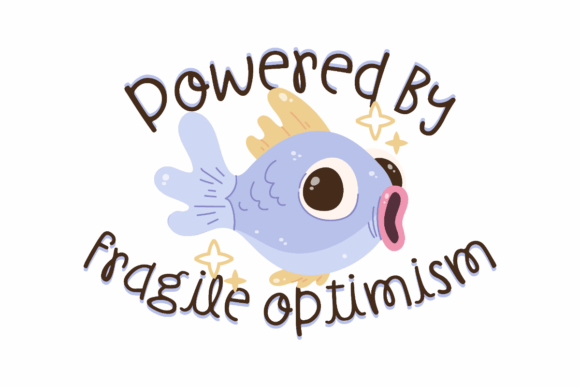
Powered by Fragile Optimism: A Designer's Review
As someone who has spent years stitching custom apparel, designing for boutique shops, and reviewing digital assets for the Crafts and Graphics sectors, I have learned that the difference between a good design and a great finished product often lies in the details. Today, I am evaluating a specific piece titled Powered by Fragile Optimism. At first glance, the description paints a picture of a quirky, light blue fish with yellow fins and a surprised expression surrounded by twinkling golden stars. But does this translate well into real-world embroidery? Can it stand up to the wear and tear of a handmade tote bag or the delicate nature of baby clothes? Let's dive into how this design performs when moved from a screen to a hoop.
The First Impression: Mood and Visual Personality
The moment you look at the concept for Powered by Fragile Optimism, there is an immediate sense of vulnerability mixed with hope. The wide-eyed fish suggests innocence, while the phrase itself resonates deeply with anyone navigating the chaotic modern world. In terms of visual layout, the combination of a central character and surrounding stars creates a balanced composition that naturally draws the eye. This is not just a random graphic; it feels like a statement piece designed to spark conversation.
For a designer, the color palette is intriguing. Light blue and yellow offer a soft contrast that works beautifully against neutral backgrounds, but the "twinkling" aspect implies small, detailed elements. This raises an important question about stitch density. If the stars are too fine, they might get lost in the fabric texture. However, if executed correctly, the design promises a whimsical yet poignant aesthetic that fits perfectly within the realm of handmade products where emotional connection drives sales.
Real-World Application: From Screen to Stitch
I recently considered using Powered by Fragile Optimism for a custom order involving embroidered patches for a local artisan market. My initial thought was to apply it to canvas tote bags, a staple for any Etsy seller or craft fair vendor. The design's playful nature would appeal to customers looking for something unique beyond standard logos. However, placing a complex image on a tote requires careful planning regarding placement and stabilizer choice.
Imagine applying this to a sweatshirt for a holiday gift. The soft, pastel colors of the fish would pop against a charcoal or navy background, creating a cozy, inviting feel. The text, if integrated smoothly, adds a layer of personality that makes the item feel personalized rather than mass-produced. For baby embroidery, such as on a onesie or a nursery pillow cover, the gentle theme aligns perfectly with current trends favoring soft, optimistic messaging. It transforms a simple garment into a keepsake that parents might treasure.
In a commercial setting, this design could serve as a powerful branding element for a small shop selling lifestyle goods. When used on aprons or kitchen towels, the "fragile optimism" message becomes part of the daily ritual, reminding users to stay positive even during busy mornings. The versatility of the design allows it to function as both a decorative accent and a focal point depending on how it is scaled and positioned.
Where Caution Is Required: Fabric and Technique
While the concept is strong, practical execution demands respect for the limitations of machine embroidery. One must be particularly careful when considering small hoop sizes. If the original file includes intricate details in the fish's eyes or the star shapes, shrinking them down for a hat patch or a cap brim could result in a muddy, indistinct mess. The "surprised expression" relies on clear definition; if the stitches crowd together, the emotion is lost.
Fabric texture plays a significant role here. On a thick, textured denim or a heavy wool, the fine details of the golden stars might not register clearly. Conversely, on thin or stretchy fabrics without proper stabilization, the design could pucker, distorting the fish's face and ruining the intended mood. Dark fabrics present another challenge; while the light blue fish might show up, the yellow fins could struggle for visibility unless high-quality, opaque threads are selected. Always test thread color contrast before committing to a full production run.
Additionally, items that require frequent washing, such as work aprons or children's clothing, need robust construction. Dense stitch areas around the fish's body can create stiffness if not balanced with appropriate fill stitches. If the design is intended for an embroidered patch, the edge finish will determine its durability. A raw edge might fray quickly, whereas a satin stitch border could add necessary structure but might alter the whimsical look if applied too heavily.
Impact on Product Value and Customer Trust
A well-executed design elevates the perceived value of a finished product. When a customer sees Powered by Fragile Optimism stitched with precision, they perceive the item as high-quality and thoughtful. This attention to detail builds trust and encourages repeat business for craft business owners. The uniqueness of the design helps your brand stand out in a crowded marketplace, offering something that feels authentic and curated.
However, poor execution can have the opposite effect. Blurry lines or puckered fabric can make a handmade item look cheap, undermining the effort put into the project. Therefore, ensuring that the stitch density matches the fabric weight is crucial for maintaining professionalism. A clean, crisp finish signals that the maker cares about the final result, which directly influences buyer engagement and willingness to pay a premium price.
Practical Designer Notes for Success
Before you download this file and start stitching, there are several steps you must take to ensure success. First, always test the design on scrap fabric that mimics your final material. This allows you to check how the thread colors interact with the weave and whether the hoop size accommodates the design without distortion.
Review the stitch types carefully. Does the design rely heavily on satin stitch for outlines, or does it use fill stitch for the body? Understanding the balance helps in selecting the right stabilizer—cut-away for stability on knits or tear-away for wovens. Inspect small details like the fish's eyes and the stars; if they appear too small in the digital preview, consider resizing the file to ensure clarity in the final product.
It is also wise to view the design in black and white mockups. Sometimes colors hide structural issues that become obvious when stripped of hue. Compare how the design looks on light versus dark backgrounds to confirm visibility. Finally, verify the licensing terms explicitly. Ensure you have the rights to use Powered by Fragile Optimism for commercial embroidery projects, especially if you plan to sell finished items or include the file in a digital product bundle. Confirming these details protects your business and ensures ethical use of the design assets.
In conclusion, Powered by Fragile Optimism offers a compelling blend of humor and heart that can elevate a variety of embroidery projects. Whether you are creating a personalized gift, expanding your small shop product line, or simply making something special for yourself, this design has the potential to shine. With careful preparation and technical awareness, it can become a standout piece in your portfolio of custom apparel and home decor.