Nautical Seashell Clipart Review for Embroidery
As a designer who has spent years stitching custom apparel and reviewing digital assets for the handmade market, I approach every new file with a mix of excitement and skepticism. When I first opened Nautical Seashell Clipart, my initial reaction wasn't about the marketing copy; it was about the visual weight. The design immediately evokes a specific mood: coastal relaxation, summer vacations, and the tactile joy of beachcombing. It feels like a natural fit for a boutique brand that wants to sell more than just a product—it wants to sell a feeling.
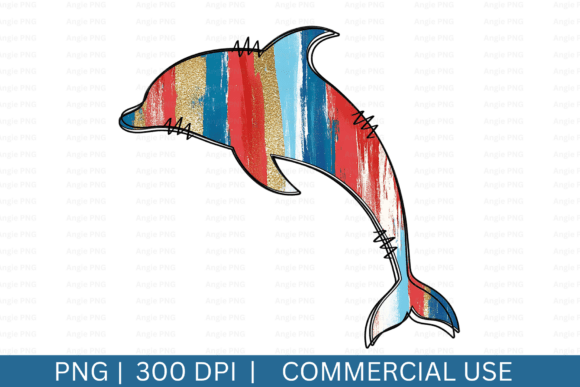
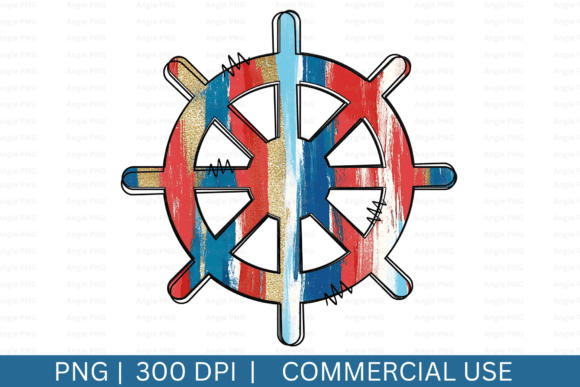
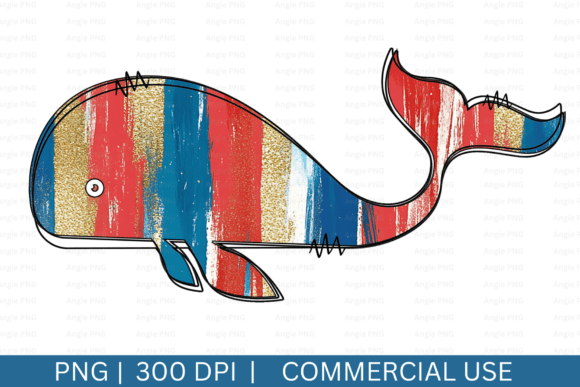
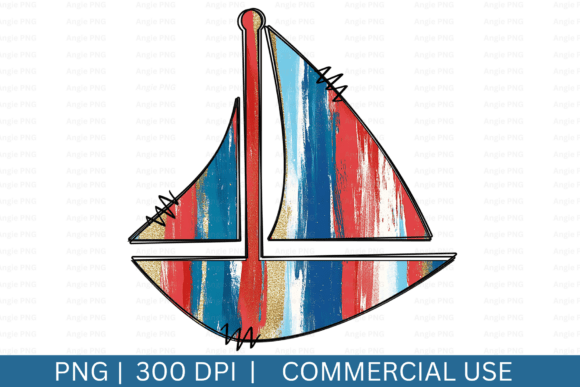
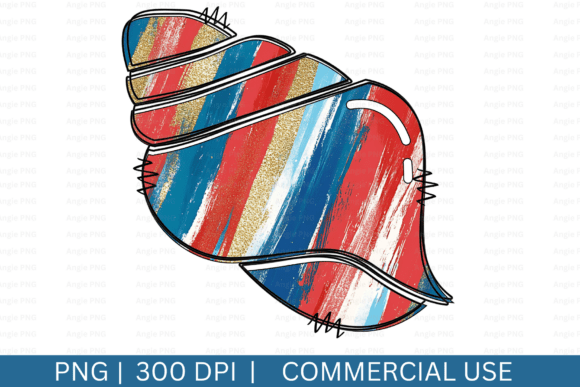
The preview image shows a clean, single PNG with a transparent background at 300 dpi. While this specification is excellent for sublimation or printing on cards, we are talking about embroidery here. The transition from a vector-based or high-resolution raster image to physical thread is where many designs fail. My review focuses on how Nautical Seashell Clipart would actually perform when translated into stitches on real-world fabrics, specifically looking at its viability for small business owners and Etsy sellers who need reliable, professional-looking results.
From Screen to Stitch: A Real-World Scenario
Let's imagine a practical scenario. You are preparing inventory for an upcoming craft fair. Your goal is to create a line of custom embroidered tote bags featuring beach themes. You decide to use Nautical Seashell Clipart as the central motif. The bag is made of heavy cotton canvas, a fabric that can be tricky if the design is too delicate.
If you were to digitize this clipart for machine embroidery, the shell shape would likely require a combination of satin stitch for the outline and fill stitch for the interior texture. The success of this project depends entirely on the density of those stitches. If the original graphic has too much fine detail in the ridges of the shell, the needle might skip, causing puckering on the canvas. However, if the design simplifies the shell into bold, recognizable shapes, it becomes a winner. In this context, Nautical Seashell Clipart shines because its subject matter naturally lends itself to organic curves that hide minor stitching imperfections better than geometric shapes do.
I also considered using this design for a baby onesie. The nautical theme is timeless for nursery decor and baby gifts. For such a soft garment, you would need to ensure the stabilizer choice matches the fabric's stretch. Using Nautical Seashell Clipart on a onesie requires a lighter touch. A dense fill stitch could make the fabric stiff, which babies hate. Here, the design's potential lies in using fewer threads—perhaps just a running stitch outline or a light satin border—to keep the garment comfortable while still delivering that cute aesthetic parents look for.
Where This Design Fits Best
Based on the visual personality of Nautical Seashell Clipart, there are specific categories where this asset will deliver high value and customer satisfaction. It is not a one-size-fits-all solution, but rather a targeted tool for specific applications.
- Tote Bags and Market Sacks: As mentioned, the durability of canvas handles the weight of embroidery well. The nautical theme pairs perfectly with the casual utility of a tote bag.
- Kitchen Towels and Aprons: These items often feature rustic or farmhouse aesthetics. A seashell motif adds a touch of coastal charm to a kitchen setting without being overwhelming.
- Holiday Gifts: Think summer weddings, beach house openings, or Father's Day gifts. The design acts as a perfect personalized gift element that feels thoughtful and seasonal.
- Apparel Decorations: Sweatshirts and t-shirts benefit from the relaxed vibe of the design. It works well as a chest pocket accent or a larger back print for a statement piece.
For commercial embroidery projects, clarity is king. Customers scanning your Etsy listings want to see that the finished product looks crisp. Nautical Seashell Clipart offers a clear silhouette that translates well to digital mockups, allowing you to showcase your handmade product effectively before the needle even moves.
Potential Pitfalls and Technical Considerations
While the concept is sound, no design is perfect for every situation. There are areas where you must exercise caution with Nautical Seashell Clipart.
Small Hoop Sizes: If you attempt to stitch this on a cap or a very small patch, the details may get lost. Tiny ridges on a shell can become muddy blobs of thread if the hoop size is too small relative to the design complexity. Always check the dimensions of your intended hoop against the design size before committing to production.
Fabric Texture and Stretch: Embroidering on stretchy knit fabrics or highly textured materials like burlap requires extra preparation. On thin fabric, the tension of the thread might cause the material to pucker around the shell shape. On dark fabric, you might find that the thread colors need to be adjusted to maintain contrast, especially if the original clipart relies on subtle shading.
Dense Stitch Areas: If the design includes intricate internal lines meant to represent the shell's texture, these areas can become difficult to stitch without breaking needles or creating bulky spots. It is crucial to evaluate the stitch density during the digitizing phase. Sometimes, simplifying the design by removing unnecessary internal lines results in a cleaner, more professional embroidery file.
Design Notes for the Professional Creator
To ensure your final output meets the high standards expected by buyers, follow these practical steps when working with Nautical Seashell Clipart:
- Test on Scrap Fabric: Never run a full production batch without testing. Use scrap pieces of the same fabric you plan to sell to check for puckering, thread breakage, and color accuracy.
- Review Thread Color Contrast: The transparency of the PNG means you have freedom in choosing thread colors. Test the design in black and white mockups first to ensure the shape remains distinct regardless of the color palette you choose.
- Inspect Small Details: Zoom in on the digital file. Are there any tiny spikes or dots that won't stitch well? These should be smoothed out or removed to prevent needle damage.
- Confirm Stabilizer Usage: Match your stabilizer to the fabric weight. For a heavy tote bag, a cut-away stabilizer provides the necessary support. For a lightweight tea towel, a tear-away might suffice.
- Check Licensing: Before selling finished items or digital products derived from this Graphics category asset, confirm the licensing terms. Ensure you have the right to use Nautical Seashell Clipart for commercial purposes.
Final Verdict on Visual Appeal and Value
The ultimate test of any design asset is whether it elevates the perceived value of the finished item. Nautical Seashell Clipart succeeds here because it taps into a beloved aesthetic that resonates with a wide audience. It feels authentic and grounded, avoiding the overly cartoonish look that can sometimes plague digital clipart used in embroidery.
When customers receive a personalized gift or a boutique product featuring this design, they notice the attention to detail. The clean lines suggest professionalism, and the nautical theme implies quality craftsmanship. For an Etsy seller or a small shop owner, this design is a strong addition to your library of design assets. It allows you to create cohesive collections, from matching pillow covers to coordinated sets of aprons.
In conclusion, Nautical Seashell Clipart is more than just a pretty picture; it is a versatile foundation for successful embroidery projects. By understanding its strengths and respecting its limitations regarding fabric and hoop size, you can transform this digital image into a tangible, high-quality finished product that delights your customers and strengthens your brand identity. Just remember to test thoroughly and prioritize stitch quality over speed, and this design will serve your creative business well.