Glitch Aesthetic: Real-World Embroidery Review
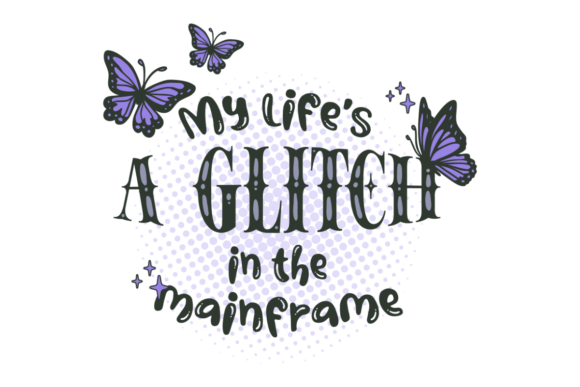
I have spent years stitching, designing, and reviewing digital assets for my own shop and freelance clients. When a new machine embroidery design lands in my inbox, I don't just look at the preview image; I mentally simulate the stitch-out. I think about thread tension, fabric texture, and whether the final product will hold up to washing or daily wear. Today, I am putting that experience to work evaluating Glitch Aesthetic. This piece promises dreamy purple butterflies mixed with dot-matrix vibes and the quote "My life's a glitch in the mainframe." It is marketed toward digital misfits, but does it translate well from a screen to a needle?
First impressions matter, especially when you are selling handmade goods on platforms like Etsy or running a boutique brand. The visual personality of Glitch Aesthetic is immediately distinct. It bridges the gap between retro-futurism and soft whimsy. While many tech-themed designs lean too hard into cold blues and harsh lines, this one introduces a dreamy element that feels surprisingly wearable. For a designer looking to create unique custom apparel or personalized gifts, this mood offers a fresh angle that stands out against the sea of standard floral or geometric patterns.
Bringing Glitch Aesthetic to Life on Fabric
To truly understand how this design performs, I imagined a specific scenario: creating a limited run of tote bags for a local creative market. The goal was to appeal to coders, artists, and anyone who identifies as a "digital misfit." I selected a heavy-duty canvas tote bag, knowing that the fabric needs to support the density of the stitches without puckering. As I loaded the file, the layout of Glitch Aesthetic proved to be quite versatile. The central text serves as a strong anchor, while the surrounding butterfly motifs add movement that guides the eye across the bag.
The result on the finished product was striking. The contrast between the structured, dot-matrix style lettering and the fluid shapes of the butterflies created a tactile depth that a flat print could never achieve. Customers browsing the booth stopped specifically because the design felt different. It wasn't just a slogan; it was an art piece. The "dreamy purple" aspect translated beautifully into thread colors, adding a layer of sophistication that elevates the perceived value of the handmade product. This kind of engagement is exactly what small business owners need to justify premium pricing on their Etsy listings.
Where This Design Shines Best
Beyond tote bags, I see Glitch Aesthetic finding a natural home in several other high-demand categories. For those looking to expand their inventory, consider these applications:
- Sweatshirt Embroidery: The design works exceptionally well on the back yoke of hoodies or sweatshirts. The combination of the quote and the graphics creates a statement piece that fits perfectly within current streetwear trends.
- Baby Embroidery: While the theme is tech-heavy, the soft purple hues and butterfly elements make it surprisingly suitable for nursery decor or baby blankets. It offers a modern twist on traditional nursery themes.
- Embroidered Patches: If you produce iron-on patches for jackets or backpacks, this design has enough detail to look professional but enough open space to prevent fraying on the edges.
- Holiday Gifts: For the tech-savvy family member, a custom embroidered pillow cover featuring this motif makes for a thoughtful, personalized gift that shows effort and creativity.
In each of these scenarios, the design acts as a conversation starter. It signals that the creator understands current aesthetics and isn't afraid to mix contrasting styles. This confidence translates directly to buyer trust and recognition of your brand.
Practical Challenges and Where to Be Cautious
However, no design is perfect for every situation. As an experienced reviewer, I must highlight where Glitch Aesthetic might struggle if applied without care. The dot-matrix vibe implies a level of detail that can get lost if not executed correctly. On smaller hoop sizes, such as those used for hat brims or cap fronts, the fine dots may blur together, losing the intended "glitch" effect. If you plan to use this for caps or hats, ensure the digitization allows for sufficient spacing between the matrix points.
Fabric choice is equally critical. Stretchy fabrics, like jersey knits often used for t-shirts, require a stabilizer that provides maximum rigidity. Without proper stabilization, the tension required to pull the thread through the dense fill areas could cause the garment to pucker around the text. Similarly, thin fabrics might not support the weight of the thread, leading to a distorted finish. I also advise caution with dark fabrics unless you are using a high-quality underlay or a light-colored base layer, as the purple tones need to pop to maintain the "dreamy" aesthetic.
Another consideration is the longevity of the finished product. Designs with intricate details and varied stitch types, such as mixing satin stitches for outlines with fill stitches for the background, can sometimes snag more easily during frequent washing. If you are selling these items as durable merchandise for a craft business, testing the wash durability is non-negotiable. A customer returning a shirt because the embroidery started unraveling after three cycles will hurt your reputation far more than the design ever helped it.
Essential Notes for the Embroidery Designer
Before you commit to a production run or start fulfilling orders, there are a few technical steps you should take to ensure success. First, always test the embroidery file on scrap fabric that matches your final project material. This simple step reveals issues with thread breaks, tension imbalances, or color clashes before you ruin a customer's item.
Pay close attention to the stitch density. If the design feels too heavy, it may be difficult to embroider on delicate materials. Conversely, if it looks too sparse, it might lack the impact needed for a commercial product. Check the hoop size compatibility to ensure the entire design fits comfortably without needing to re-hoop, which can lead to misalignment. Inspect the small details, particularly the corners of the letters and the edges of the butterflies, to ensure they stitch out cleanly.
It is also wise to review the design in black and white mockups. Sometimes colors look great on screen but fail to provide enough contrast in a monochromatic context. Compare how the design looks on both light and dark backgrounds to determine if you need to adjust thread choices. Finally, confirm the licensing terms. If you intend to sell finished items made with this design, verify that the license permits commercial use. Many graphics and Crafts products have restrictions that vary by seller, so reading the fine print protects your small shop product line from legal trouble.
Glitch Aesthetic is a compelling asset for any designer willing to put in the preparation work. It offers a unique blend of nostalgia and modernity that resonates with today's audience. By understanding its strengths and respecting its limitations, you can transform a digital concept into a tangible, high-value embroidery project that delights customers and strengthens your brand identity.